



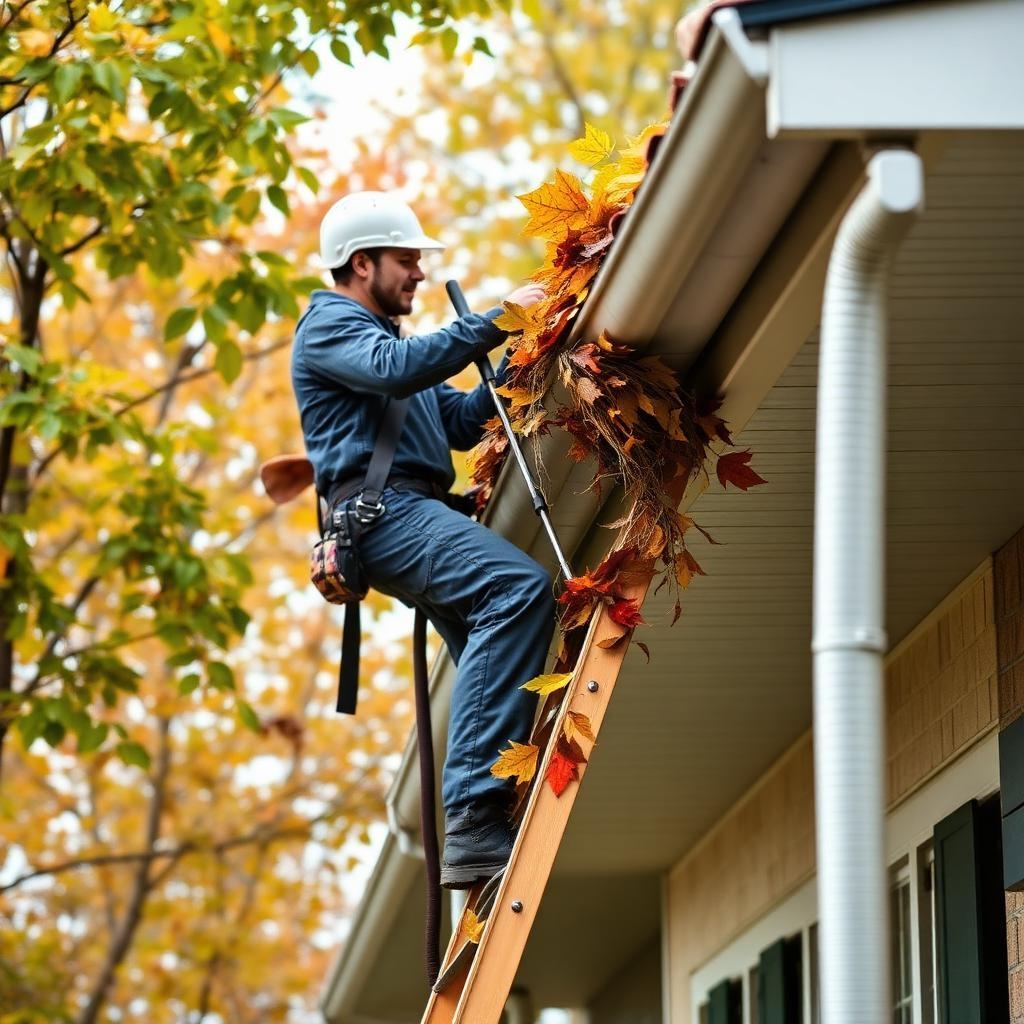
As the leaves change colour and the temperatures begin to drop, fall is the perfect time to prepare your home for the colder, wetter months ahead. Here in the Fraser Valley, winter can bring plenty of rain, chilly temperatures, frost and the occasional snowfall — all of which can take a toll on your home if you’re not prepared.
A little preventative maintenance now can help you avoid costly repairs, improve energy efficiency and keep your home comfortable throughout the winter.
Here are 10 things every Fraser Valley homeowner should check this fall.
1. Clean Your Gutters and Downspouts
With all the beautiful fall foliage comes plenty of leaves! Clogged gutters can prevent rainwater from draining properly, potentially causing overflow, water damage and drainage problems around your foundation.
Your fall checklist:
-
Remove leaves and debris from gutters.
-
Check that downspouts are securely attached and draining properly.
-
Make sure water is directed away from your home's foundation.
-
Consider installing gutter guards if leaves are a recurring problem.
With the Fraser Valley's rainy season approaching, keeping your gutters clear is one of the most important maintenance tasks you can do.
2. Inspect Your Roof
Your roof is your home's first line of defence against the elements. Before the heavy winter rain arrives, take a look for any visible signs of damage.
Look for missing, cracked or curling shingles, damaged flashing around chimneys and vents, and areas where debris has collected. If you notice anything concerning, consider having a qualified roofing professional inspect it before winter weather sets in.
Remember, roof inspections are best left to professionals when accessing the roof would be unsafe.
3. Check Windows and Doors for Drafts
Drafty windows and doors can make your home uncomfortable and increase your heating costs.
Check the weatherstripping around exterior doors and windows for cracks, gaps or deterioration. Replace worn seals and apply appropriate caulking where needed.
If you notice condensation between window panes, it may indicate a failed window seal. Addressing these issues can help improve comfort and energy efficiency during the colder months.
4. Service Your Heating System
The last thing you want is for your furnace or heat pump to stop working during a cold spell.
Before winter arrives:
-
Replace or clean your furnace filter according to the manufacturer's instructions.
-
Test your thermostat.
-
Make sure heating vents and returns aren't blocked by furniture or rugs.
-
Arrange professional servicing if your system is due for maintenance.
If you have a heat pump, keep the outdoor unit clear of leaves and other debris, following the manufacturer's recommendations.
A little preparation can help your heating system run more efficiently when you need it most.
5. Test Smoke and Carbon Monoxide Alarms
As we spend more time indoors with windows closed and heating systems running, it's a good time to make sure your home's safety devices are working properly.
Test smoke alarms and carbon monoxide alarms, replace batteries where applicable, and check the manufacturer's recommended replacement dates.
Make sure alarms are installed in the appropriate locations for your home's layout and current safety requirements. If you have a fireplace, wood stove or fuel-burning appliance, carbon monoxide protection is especially important.
6. Protect Outdoor Faucets and Plumbing
Freezing temperatures can cause exposed pipes and outdoor faucets to freeze and potentially burst.
Before temperatures drop:
-
Disconnect and drain garden hoses.
-
Shut off and drain outdoor water lines where your plumbing system allows it.
-
Insulate exposed pipes in unheated areas, such as crawlspaces or garages.
-
Know where your main water shut-off valve is located.
Homes with older plumbing or exposed pipes may need additional precautions. If you're unsure how to winterize your system, ask a qualified plumber for advice.
7. Check Drainage Around Your Property
Heavy Fraser Valley rainfall can reveal drainage problems that may not be obvious during the drier summer months.
Walk around your property after a rainfall and look for areas where water pools near the house. Check that soil slopes away from the foundation where appropriate, and remove leaves from exterior drains and catch basins.
Pay attention to low-lying areas, retaining walls and any spots where water consistently collects. If you notice persistent pooling, basement moisture or water entering a crawlspace, investigate the cause rather than simply covering up the symptoms.
Good drainage helps protect your home's foundation and reduces the risk of water-related damage.
8. Prepare Your Fireplace and Chimney
If you enjoy cozy evenings by the fire, make sure your fireplace is ready for the season.
Have wood-burning fireplaces and chimneys inspected and cleaned as recommended by a qualified professional. Check that the damper operates properly and that the area around the fireplace is clear of combustible materials.
For gas fireplaces, follow the manufacturer's maintenance recommendations and arrange servicing when needed.
Always use fireplaces and wood stoves according to their instructions, and never leave an active fire unattended.
9. Tidy Up Your Yard and Outdoor Spaces
Fall is a great time to put your outdoor spaces to bed before winter arrives.
Trim back branches that could threaten your home during high winds, clear leaves from walkways and drains, and secure or store patio furniture, umbrellas and other loose items.
If you have a deck, inspect it for loose boards, damaged railings or areas that may need attention. Check exterior stairs and walkways for uneven surfaces that could become slippery in wet or icy conditions.
These small tasks can make your property safer and easier to maintain throughout winter.
10. Check Your Home Insurance and Emergency Supplies
Winter weather is a good reminder to review your home insurance policy and make sure you understand what is and isn't covered.
Pay particular attention to water-related coverage, including any limitations or conditions that may apply to sewer backup, overland flooding or other types of water damage. Coverage varies by policy, so contact your insurance provider if you have questions.
It's also helpful to keep a few essentials on hand, such as flashlights, batteries, a first-aid kit and supplies for a temporary power outage. If your home relies on a sump pump, make sure it's working properly and understand what backup options are available.
Being prepared can make unexpected winter weather much less stressful.
Bonus Tip: Make Your Home Feel Cozy for the Season
Winter preparation isn't all about maintenance! Fall is also a wonderful time to make your home feel warm and inviting.
Bring out cozy blankets, add seasonal touches, switch to warmer lighting and create a comfortable place to relax on rainy evenings. Simple changes can make a big difference without requiring a major renovation or expense.
And if you're thinking about selling your home in the coming months, a clean, well-maintained property can help make a positive impression on potential buyers.
A Little Preparation Goes a Long Way
Preparing your home for winter doesn't have to happen all at once. Start with the essentials — gutters, roof, heating, plumbing and drainage — then work through the rest of your checklist as time allows.
Taking care of small issues now may help prevent bigger problems later, giving you greater peace of mind when the rain and colder temperatures arrive.
Thinking about buying or selling a home in the Fraser Valley?
Whether you're preparing your current property for the market or looking for a place to call home, we are ready to help you! Contact us anytime!


